Guide
What to Do After Landing in Australia: Your Complete 72-Hour Settlement Guide for New Migrants
Landing in Australia is exciting, but the first 72 hours are the most important for your long-term settlement, financial compliance, and peace of mind. This guide is designed by SettleMate, to help you move confidently from the airport to your new life in Australia, with clear, step-by-step actions covering immigration, money, tax, accommodation, healthcare, and essential setup.
- Permanent Residents (PR)
- Student visa holders (subclass 500)
- Temporary skilled workers (subclass 482, 491, etc.)
- Graduate visa holders (485)
- Working Holiday Visa (WHV) holders
- Migrants relocating alone or with family
About SettleMate
SettleMate is an Australian settlement platform that helps new migrants, international students, and visa holders move to Australia with confidence using step-by-step guides and practical checklists.
This guide is part of SettleMate’s official settlement resources, created from real migrant experiences and current Australian requirements.

- Valid passport and visa grant notice (digital and printed copy)
- Completed Incoming Passenger Card (IPC) (issued during your flight)
- Access to AUD $1,500–$2,000 (cash and/or international debit card)
- Prescription medication with doctor’s letter (if applicable)
- International power adapter (Australia uses Type I sockets)
Welcome to Your New Australian Life
Congratulations — you’ve officially arrived in Australia, and a new chapter of your life begins now.
It’s normal to feel excited, exhausted, and overwhelmed all at once. Most new arrivals ask the same questions within hours of landing:
- What must I do first?
- What can wait?
- What mistakes should I avoid?
Take a breath — you’re in the right place.
This is not a generic welcome article. This is a practical 72-hour settlement roadmap, created by SettleMate to help new migrants avoid costly mistakes and start their Australian journey the right way.
Over the next 72 hours, you'll transform from a overwhelmed new arrival into a confident Australian resident with all your essential systems in place. No confusion. No regrets. Just clear, actionable steps.
Let's begin your Australian journey properly.
📋 Your 72-Hour Overview: What to Expect
Before we dive into the details, here's your big-picture timeline:
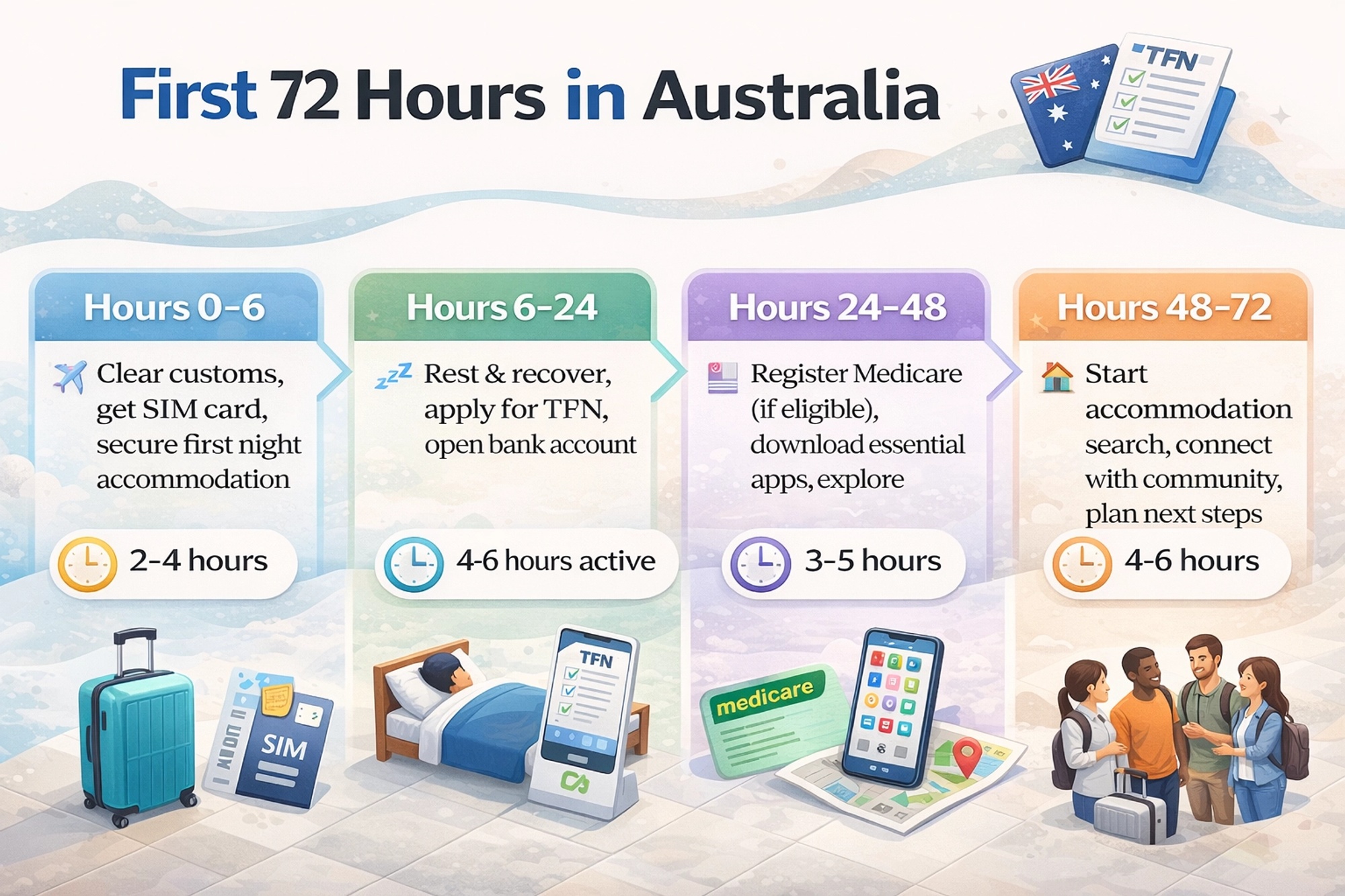
⏰ HOUR 0-6: Airport to Arrival
🛂 Step 1: Navigate Customs & Immigration Like a Pro
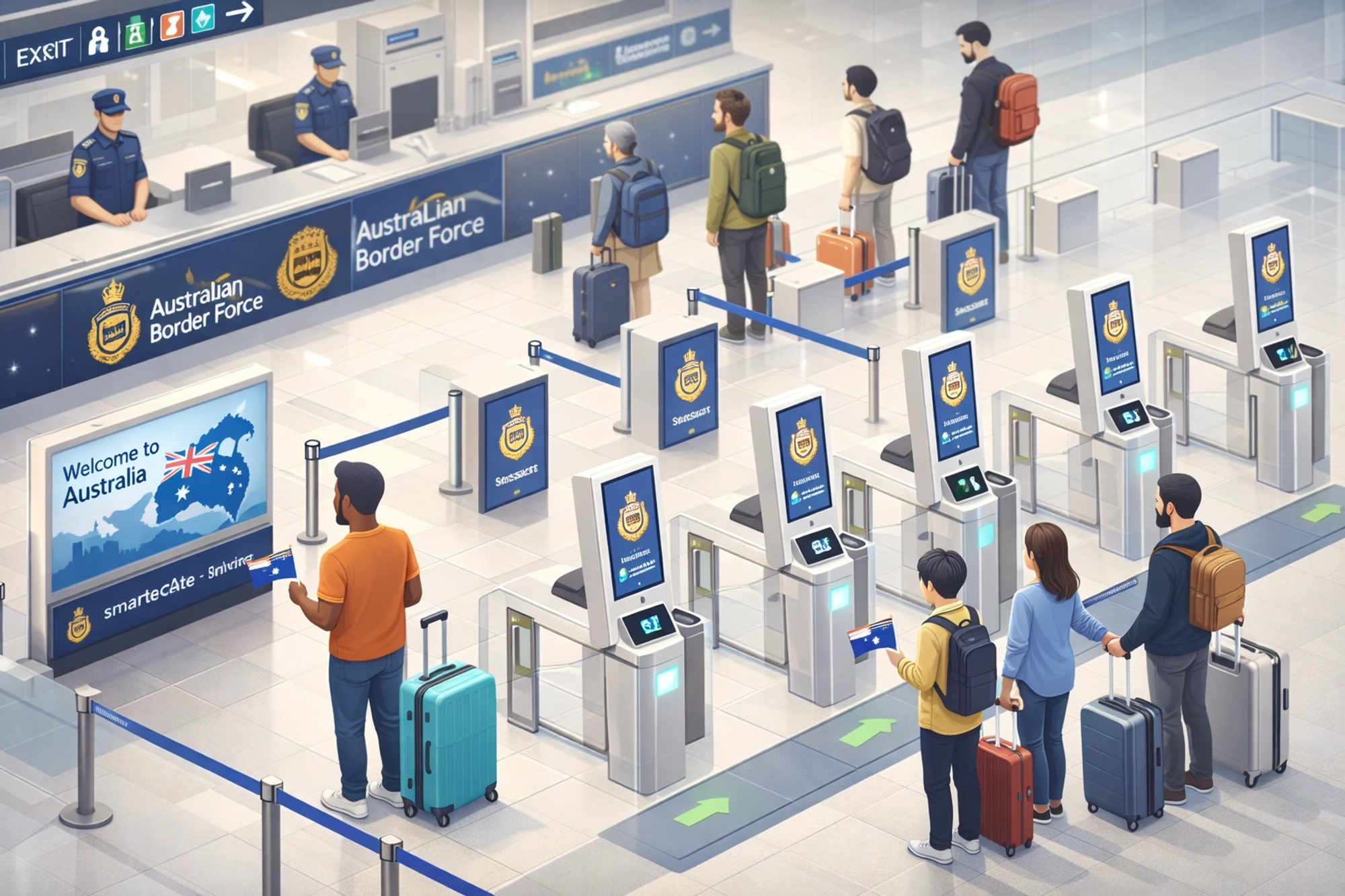
Your first official interaction with Australia happens at immigration. Here's how to breeze through:
✅ Documents Checklist
- ✓ Valid passport (6+ months validity recommended)
- ✓ Visa grant notice (digital or printed)
- ✓ Completed incoming passenger card
- ✓ Return ticket details (if on temporary visa)
🚨 Critical Biosecurity Rules
Australia has the world's strictest biosecurity laws, and for good reason. So, When entering Australia, you must complete an Incoming Passenger Card (Provided in flight) and declare any restricted items (food, plant materials, soil, animal products, etc.). Failure to comply can result in civil penalties as prescribed under the Biosecurity Act 2015.
ALWAYS DECLARE:
- 🥾 Hiking boots or sports equipment with soil
- 🍎 Any food items (packaged or fresh)
- 🌿 Plant materials, seeds, wooden items
- 💊 Medications (prescription or traditional)
- 🐚 Animal products, shells, feathers
⚠️ Warning: Undeclared items = fines starting at $420, potentially reaching $444,000 for serious breaches. When in doubt, declare, there's no penalty for declaring, only for hiding.
SettleMate includes this biosecurity guidance because customs fines are one of the most common and avoidable mistakes we see among first-time arrivals.
💡 Smart Gate Fast-Track
SmartGate may be available for eligible travellers with ePassports. So, If you're from an eligible country, use SmartGates for faster processing:
- Scan your passport at the kiosk
- Look at the camera for facial recognition
- Collect your SmartGate ticket
- Proceed through the automated gate
- Present ticket to Border Force officer (if required)
Pro Tip: Download the myVISA app before landing. Border officers may ask for visa details, and having digital proof demonstrates preparedness.
📱 Step 2: Get Connected Immediately

Why this is URGENT: You'll need an Australian phone number within hours for bank verification, accommodation bookings, emergency contacts, and job applications.
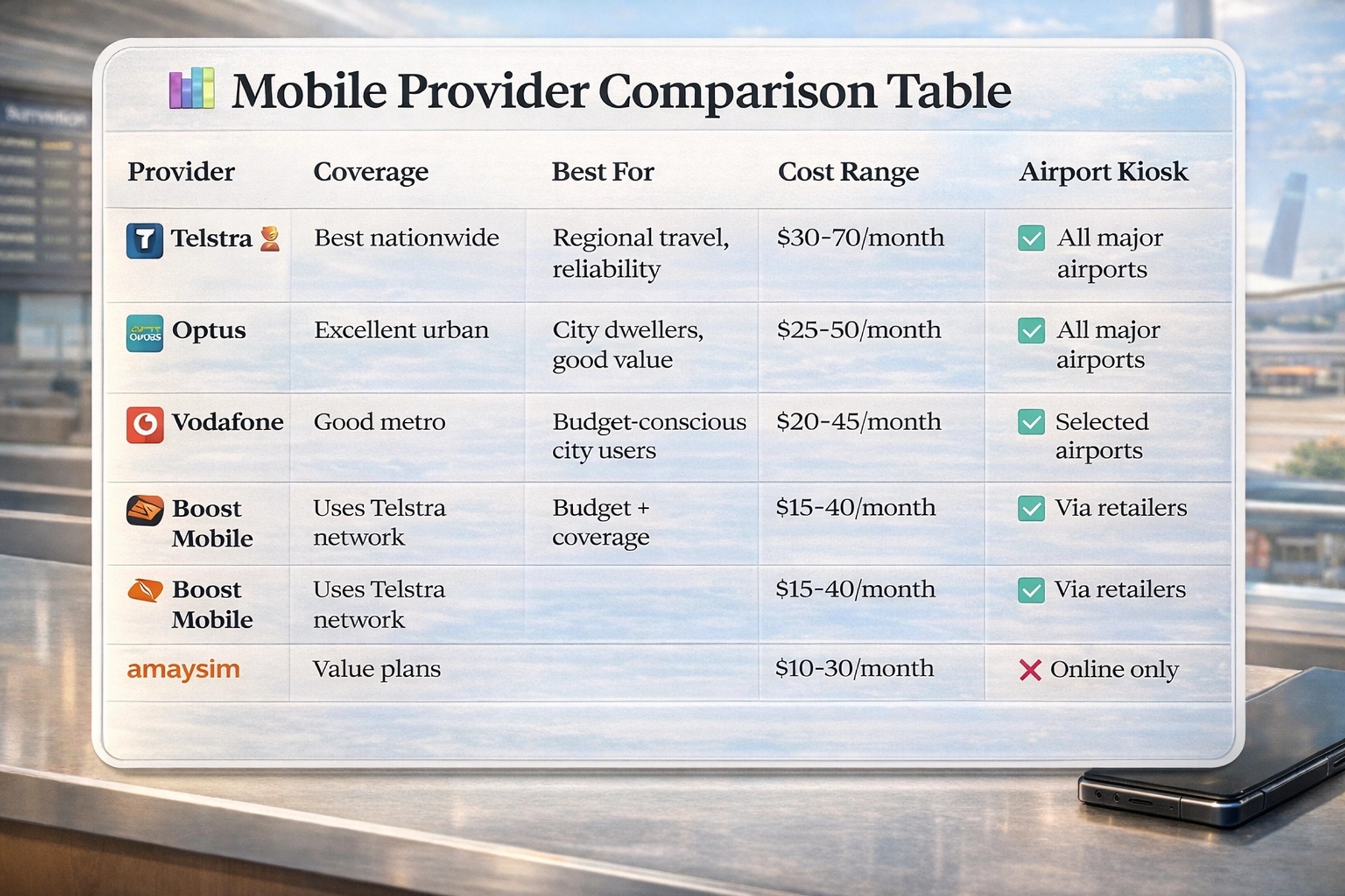
🎯 SettleMate's Recommended Actions
Option A (Immediate): Purchase a prepaid SIM at the airport from Telstra or Optus kiosks
- Activation: Instant
- Cost: $30-40 for starter pack
- Data: Usually 20-50GB
- Validity: 28-30 days
Option B (Pre-planned): Order a SIM online before arrival for airport pickup
- Services: Simify, TravelKon
- Save 15-25% vs. airport prices
⚠️ Important: Keep your international SIM active for 2-3 weeks for two-factor authentication from home country banks and services.
SettleMate Insight:
Network coverage varies by carrier and region, and airport booths often charge higher pricing.
💰 Step 3: Sort Your Money Matters
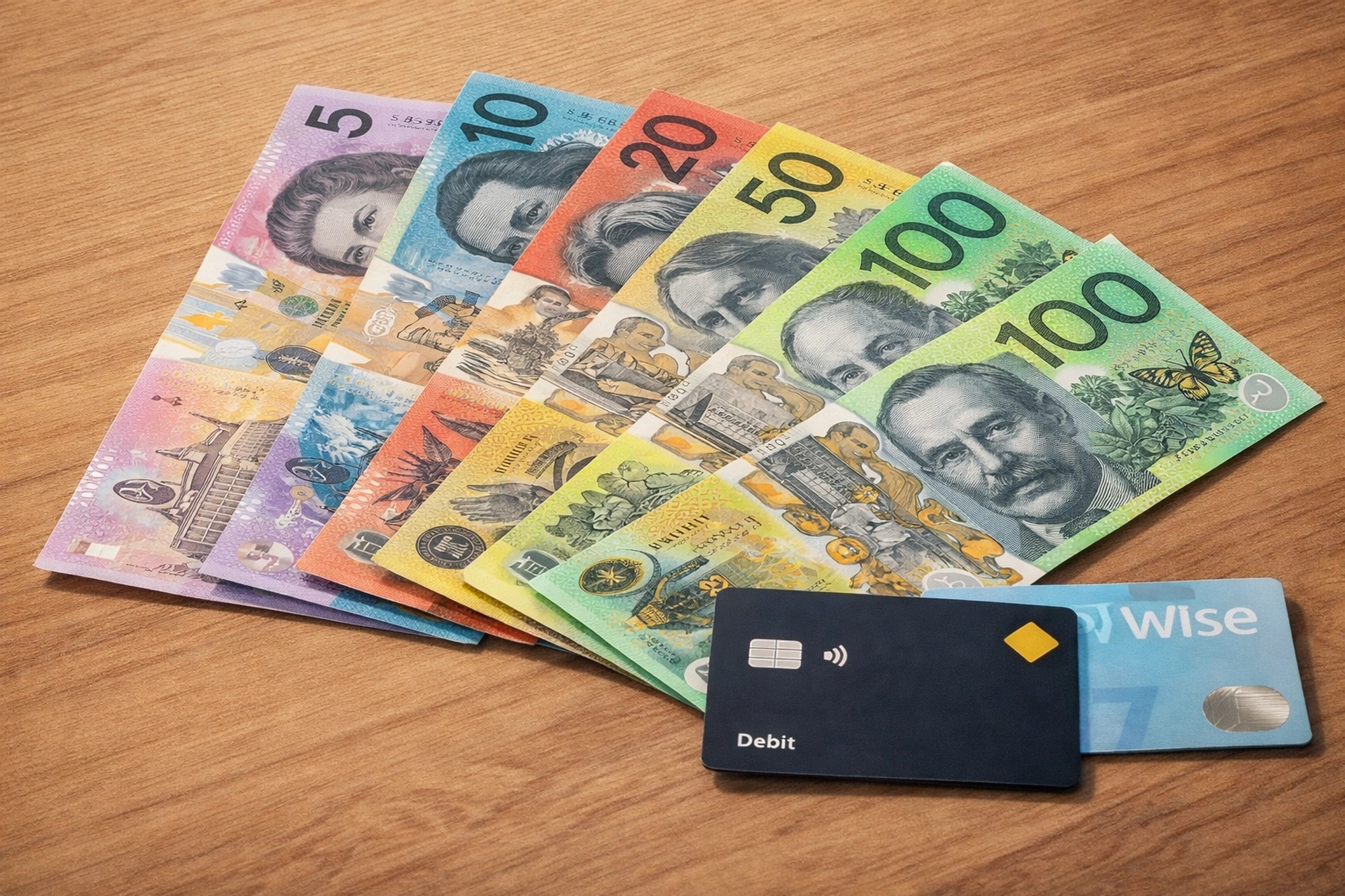
💵 Cash Requirements
Recommended Amount: $500-800 AUD cash for your first 3-4 days
Why you need cash:
- Taxi/Uber backup (if card issues)
- Emergency situations
- Tips (rare but occasionally appropriate)
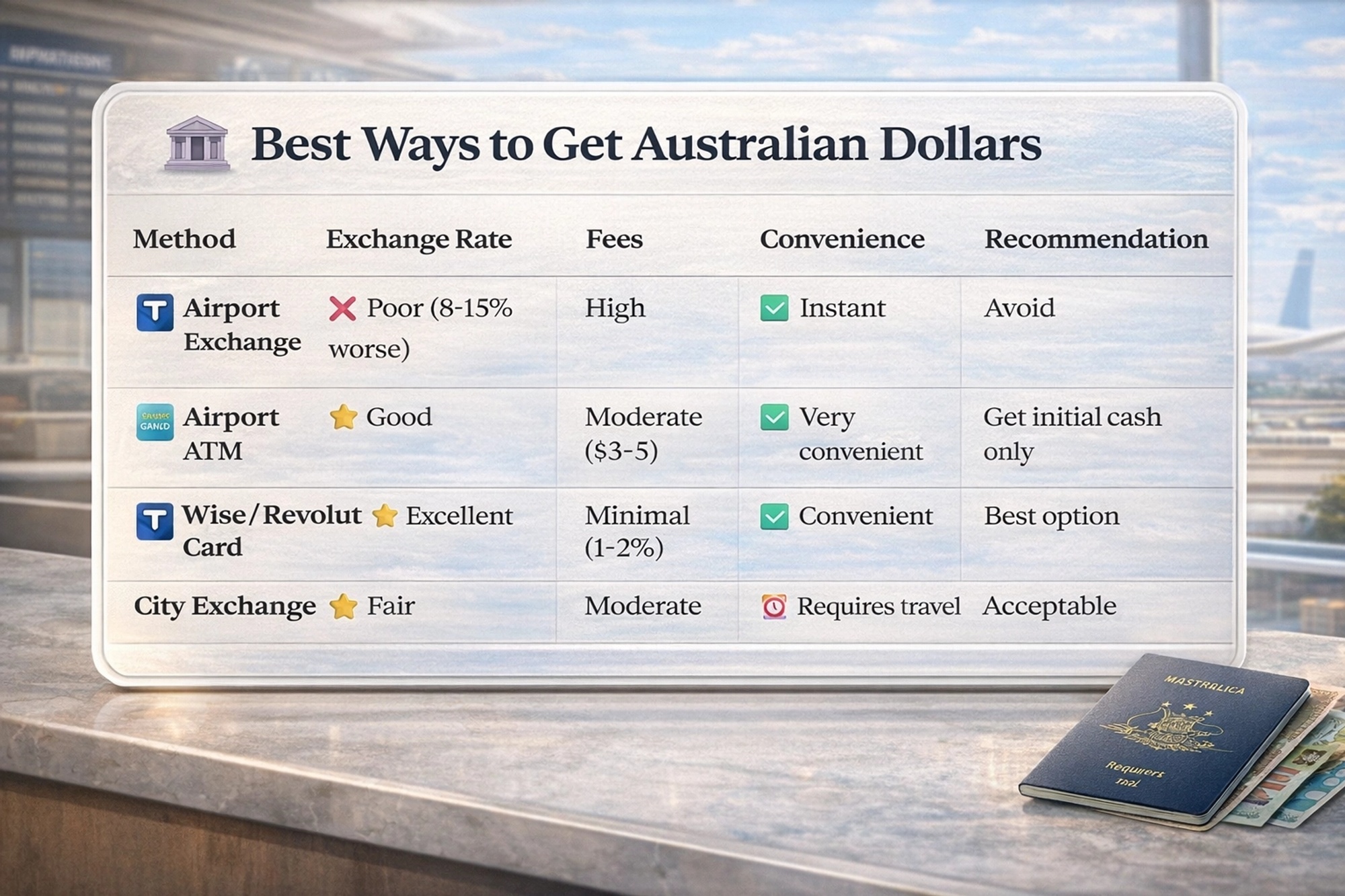
💳 Smart Money Strategy
Before Departure:
Open a Wise or Revolut multi-currency account
Load with AUD at excellent exchange rates
Use like an Australian debit card upon arrival
Benefits:
- Functions like a local bank account temporarily
- Minimal fees (1-2% vs. 5-8% for banks)
- Instant spending notifications
- ATM withdrawals (usually 2 free/month)
At Airport:
- Withdraw $500 cash from ATM
- Use Wise/Revolut card for other purchases
- Avoid airport currency exchange counters entirely
🏨 Step 4: Secure Your First Night
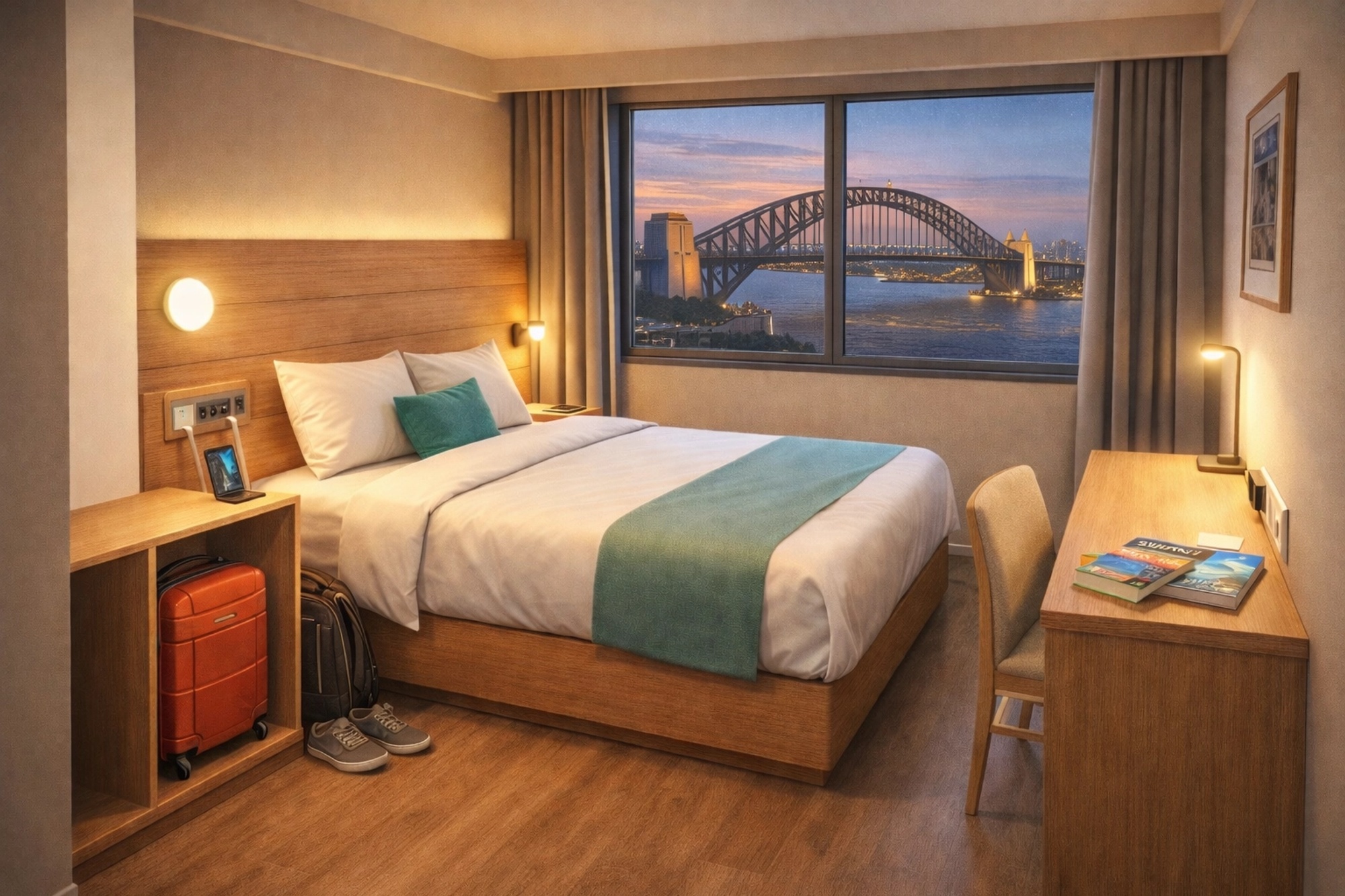
You're tired. Jet-lagged. Overwhelmed. Secure a safe, comfortable place to rest BEFORE you land.
🛏️ Accommodation Options for Your First Week
Option 1: Backpacker Hostels 💰
- Cost: $25-45/night
- Best for: Solo travelers, budget-conscious, social atmosphere
- Pros: Cheap, meet other newcomers, central locations, facilities included
- Cons: Shared spaces, can be noisy, less privacy
- Top Chains: YHA Australia, Base Backpackers, Wake Up! Hostels
Option 2: Budget Hotels 💰💰
- Cost: $80-150/night
- Best for: Those needing privacy, quick rest before apartment hunting
- Pros: Private room, consistent quality, easy booking
- Cons: More expensive, less social, fewer kitchen facilities
- Options: Ibis, Travelodge, Quest Serviced Apartments
Option 3: Airbnb Private Room/Apartment 💰💰
- Cost: $60-150/night (discounts for 7+ days)
- Best for: Families, longer initial stays, kitchen access needed
- Pros: Home-like, weekly discounts (10-30%), local neighborhood experience
- Cons: Quality varies, communication dependent on host
- Booking: Airbnb.com.au
Option 4: Short-term Share House 💰
- Cost: $150-300/week
- Best for: Those staying 2+ weeks, wanting local insights
- Pros: Affordable, meet housemates, fully furnished
- Cons: Less privacy, need to coordinate viewings
- Platforms: Flatmates.com.au, Gumtree
🎯 Our Recommendation
Book 3-5 nights of accommodation BEFORE arrival. This gives you:
- ✅ Peace of mind
- ✅ Time to explore neighborhoods
- ✅ Rest for jet lag recovery
- ✅ Base for apartment hunting
Pro Tip: Choose accommodation near public transport and supermarkets. Central locations cost more but save time and stress during your adjustment period.
😴 Step 5: Combat Jet Lag Strategically

Don't underestimate jet lag. Crossing multiple time zones disrupts your circadian rhythm, affecting mood, decision-making, and energy levels.
🌅 24-Hour Jet Lag Recovery Is Advised
Upon Arrival (Morning/Daytime):
- ☀️ Get sunlight exposure (30-60 minutes) → Resets circadian rhythm
- 🚫 Resist napping (if you must, limit to 20 minutes)
- 🚶 Light exercise (walk around neighborhood)
- 💧 Hydrate aggressively (airplane travel dehydrates significantly)
First Evening:
- 🍽️ Eat light dinner around 7-8 PM local time
- 🚫 Avoid heavy alcohol (worsens sleep quality and jet lag)
- 📱 Limit screen time 1-2 hours before bed
- 🛏️ Sleep by 9-10 PM local time
Sleep Optimization:
- Use blackout curtains or eye mask
- Set room temperature cool
- Earplugs if in hostel/noisy area
Days 2-3:
- Maintain consistent sleep schedule (same bedtime/wake time)
- Continue morning sunlight exposure
- Gradually reduce caffeine after 2 PM
⏰ Timeline: Most people adjust within 3-5 days. Allow yourself grace during this period.
⏰ HOUR 6-24: Critical Administrative Setup
📝 Step 6: Apply for Your Tax File Number (TFN) - URGENT
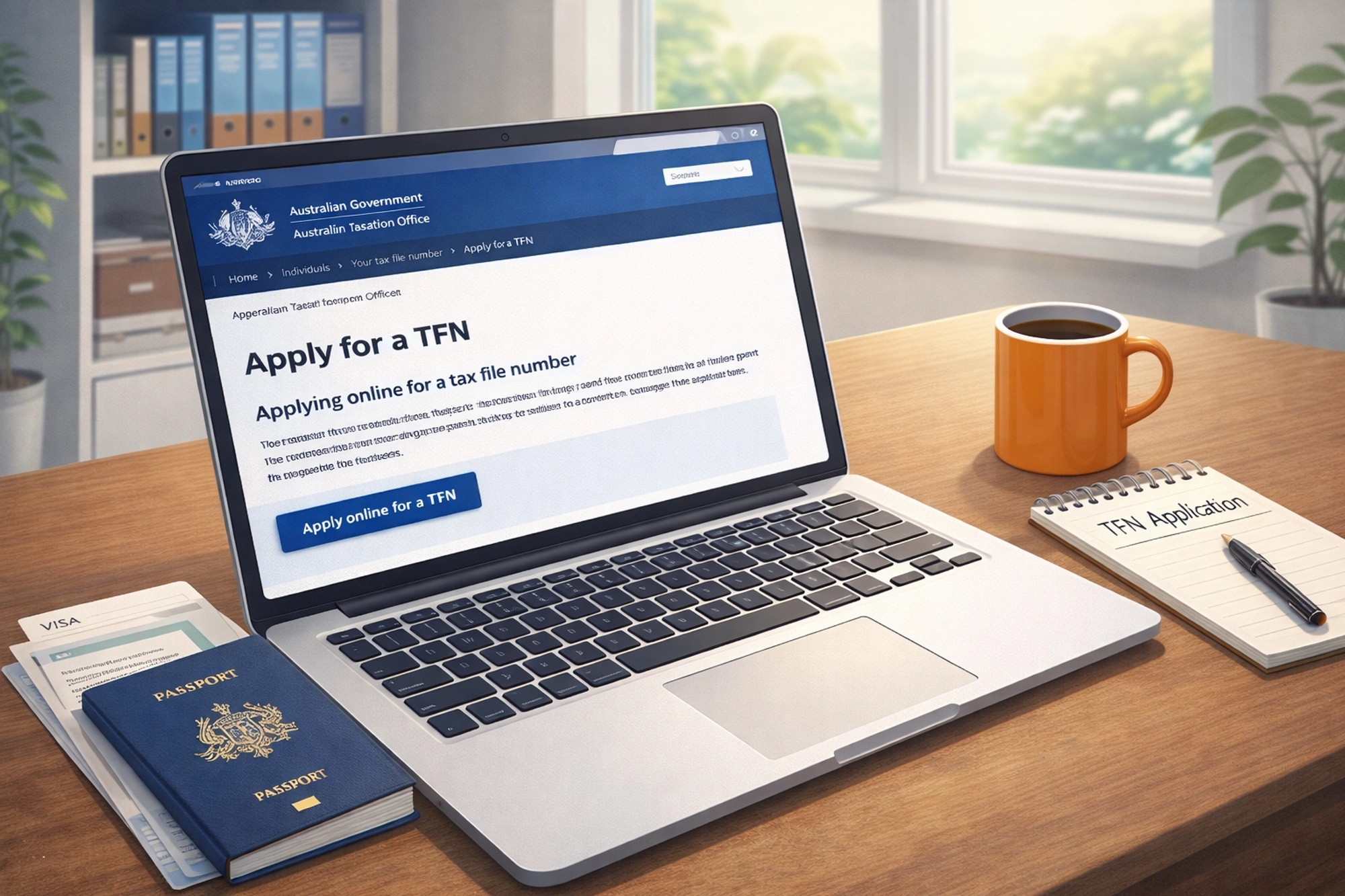
⚠️ THIS IS YOUR #1 ADMINISTRATIVE PRIORITY
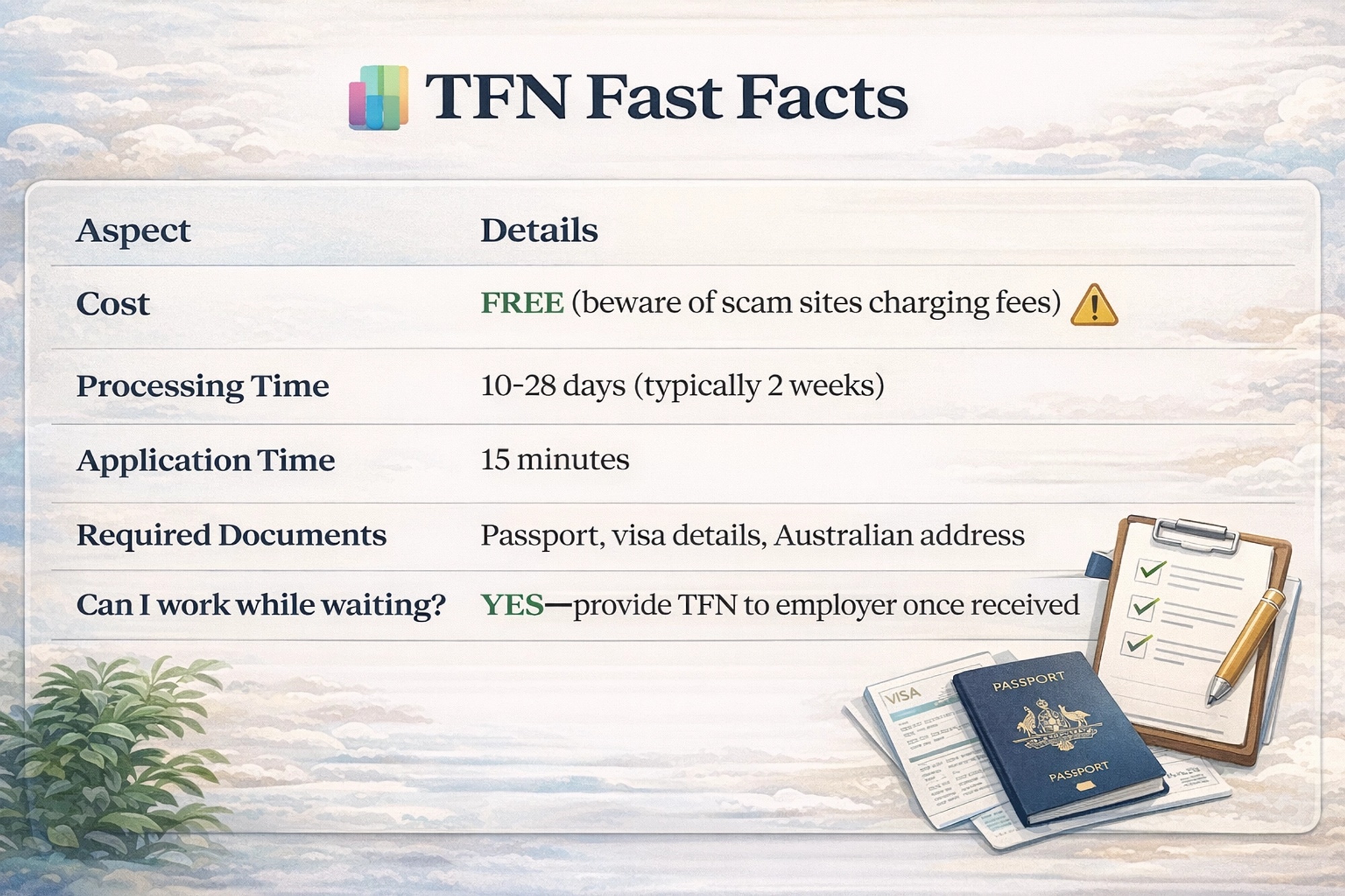
Why it's urgent: Without a TFN, you risk being taxed at the highest marginal rate plus Medicare Levy (45% + 2%) on all income. You can apply for jobs and even start working before receiving your TFN, but you must provide it to employers as soon as it arrives.
🎯 Step-by-Step TFN Application
1. Visit the Official ATO Website
- Go to: ato.gov.au
- Navigate to: "Individuals" → "Tax file number" → "Apply for a TFN"
- Select: "Foreign passport holders, permanent migrants and temporary visitors"
2. Prepare Required Information
- ✓ Passport details (number, country, expiry date)
- ✓ Visa information (visa type, grant number, start date)
- ✓ Australian residential address (can be temporary)
- ✓ Contact details (Australian mobile number, email)
3. Complete Online Form
- Answer all questions accurately
- Double-check passport and visa numbers
- Provide your temporary accommodation address if you don't have permanent housing yet
4. Submit and Record
- Note your application reference number
- Check email for confirmation (usually within 24 hours)
- TFN will be mailed to your Australian address within 28 days
SettleMate strongly recommends applying for your TFN within your first 24–48 hours in Australia. We regularly see migrants lose thousands of dollars due to emergency tax rates simply because this step was delayed.
💡 Pro Tips
Address Issues? If you're staying in temporary accommodation:
- Use that address (hostel/hotel—most accept mail)
- Set up mail redirection at Australia Post once you have a permanent address
- Some hostels offer mail holding services for residents
Can't wait 28 days? You can start work immediately. Inform your employer: "I've applied for my TFN and will provide it within [X] weeks when it arrives."
Lost or Never Arrived? Call the ATO: 13 28 61 (8am-6pm weekdays)
🏦 Step 7: Open an Australian Bank Account (Time-Sensitive!)

⏰ CRITICAL TIMING: You can open a bank account with passport only within 6 weeks of arrival. After that, you'll need 100 points of ID (driver's license, utility bills, etc.), which would be much more complicated.
🏆 Top Banks for Newcomers
Major Banks (Branch Networks + ATMs):
1. Commonwealth Bank (CommBank) ⭐⭐⭐⭐⭐
- ✅ Largest ATM network (4,000+ nationwide)
- ✅ Excellent mobile app (NetBank)
- ✅ Student accounts available
- ✅ International transfer services
- 💰 Smart Access Account: $4/month (waived if under 25 or student)
2. Westpac ⭐⭐⭐⭐
- ✅ Good newcomer support programs
- ✅ Choice Account: Fee-free under 30 or students
- ✅ Airport branches for immediate setup
- 💰 Standard account: $5/month (conditions apply)
3. NAB (National Australia Bank) ⭐⭐⭐⭐
- ✅ NAB Migrant Banking Specialists
- ✅ No monthly fees on Classic Banking account
- ✅ Multilingual support available
- 💰 Classic Banking: $0/month
4. ANZ ⭐⭐⭐⭐
- ✅ ANZ Access Advantage
- ✅ Fee-free with $2,000 monthly deposit
- ✅ Good regional coverage
- 💰 $5/month (waived with conditions)
Digital-Only Banks (No Fees, Great Features):
5. ING ⭐⭐⭐⭐⭐
- ✅ Zero monthly fees
- ✅ Rebates on international ATM fees
- ✅ High interest savings account
- ✅ Excellent app
- 💰 $0/month
6. Up Bank ⭐⭐⭐⭐
- ✅ 100% mobile banking (no branches)
- ✅ Incredible budgeting features
- ✅ Instant spending notifications
- ✅ No fees ever
- 💰 $0/month
7. Macquarie Bank ⭐⭐⭐⭐
- ✅ No account fees
- ✅ Cashback offers
- ✅ Free international money transfers
- 💰 $0/month
📋 What You'll Need
In-Branch Opening:
- ✓ Valid passport with Australian visa
- ✓ Australian mobile number
- ✓ Local address (temporary is fine)
- ✓ Initial deposit: $10-100
- ⏱️ Time: 30-60 minutes
- 💳 Walk out with temporary debit card (permanent arrives in 5-10 days)
Online Opening:
- Same documents (digital upload)
- ⏱️ Time: 10-20 minutes
- 💳 Card arrives by mail in 5-10 business days
🎯 Our Strategic Recommendation
Open TWO accounts:
One major bank (CommBank, Westpac, NAB, or ANZ)
- Why: Widespread ATM access, physical branches, trusted by employers
One digital bank (ING or Up)
- Why: Zero fees, better savings interest, modern features, travel-friendly
This dual approach gives you:
- ✅ No ATM fees anywhere
- ✅ Branch access when needed
- ✅ Best savings interest rates
- ✅ Backup if one card fails
SettleMate’s settlement guides emphasise early banking setup because missing the six-week window is one of the most common administrative issues faced by new migrants.
💳 Understanding Australian Banking
Key Features:
- PayID: Instant bank transfers using phone number or email
- EFTPOS: Electronic payments (universally accepted)
- Osko: Real-time payments between Australian banks
- Tap & Go: Contactless payments
Bank Account Types:
- Transaction/Everyday: For daily spending (debit card)
- Savings: For emergency fund (higher interest)
- Term Deposit: Lock money away for guaranteed interest
Mobile Banking: Australia is highly cashless. You'll use your banking app constantly for:
- Instant transfers
- Bill payments
- Checking balances
- Managing cards
⏰ HOUR 24-48: Essential Services & Integration
🏥 Step 8: Register for Medicare (If Eligible)
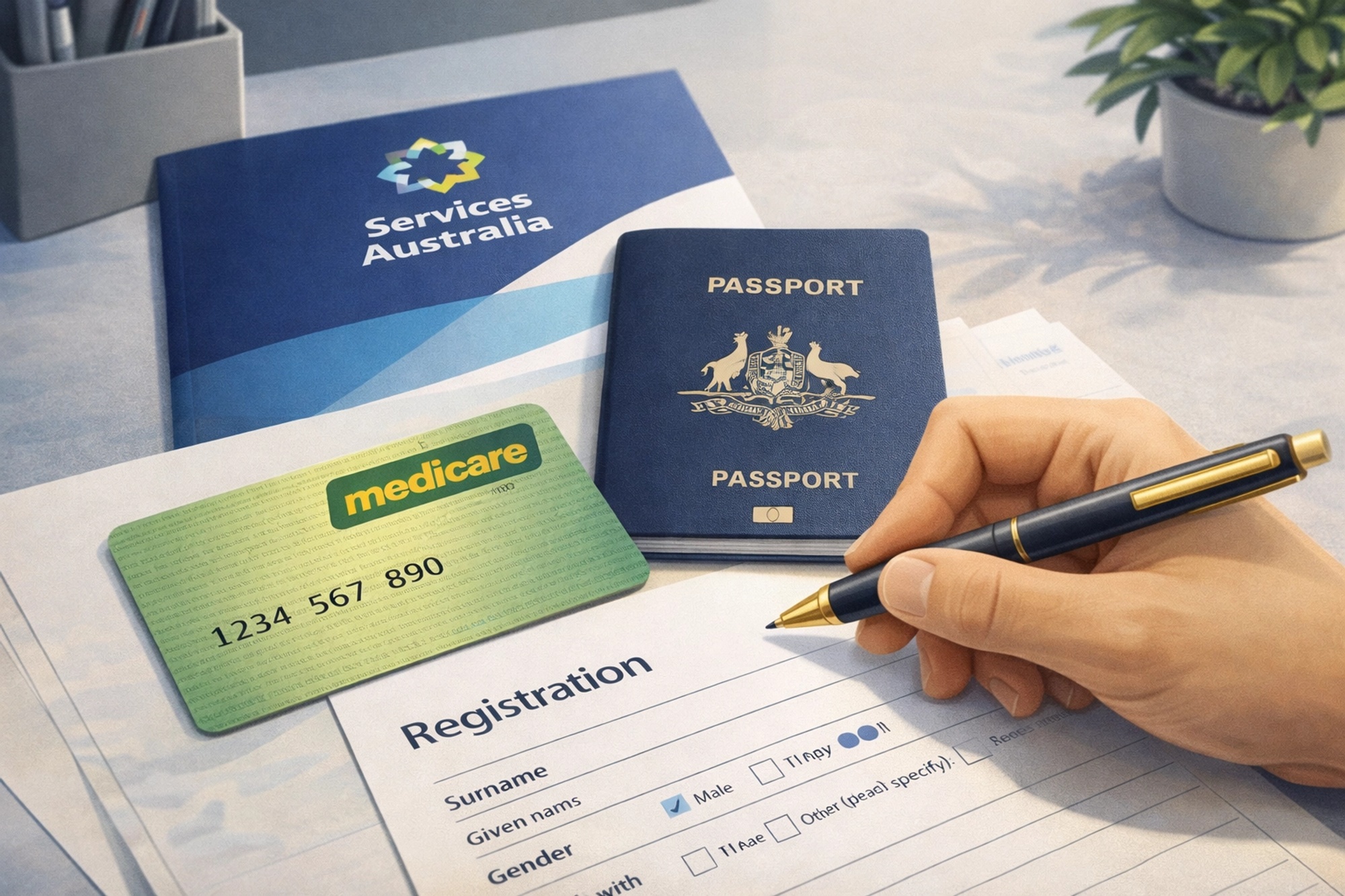
Medicare is Australia's universal healthcare system—and if you're eligible, registration should happen within your first few days.
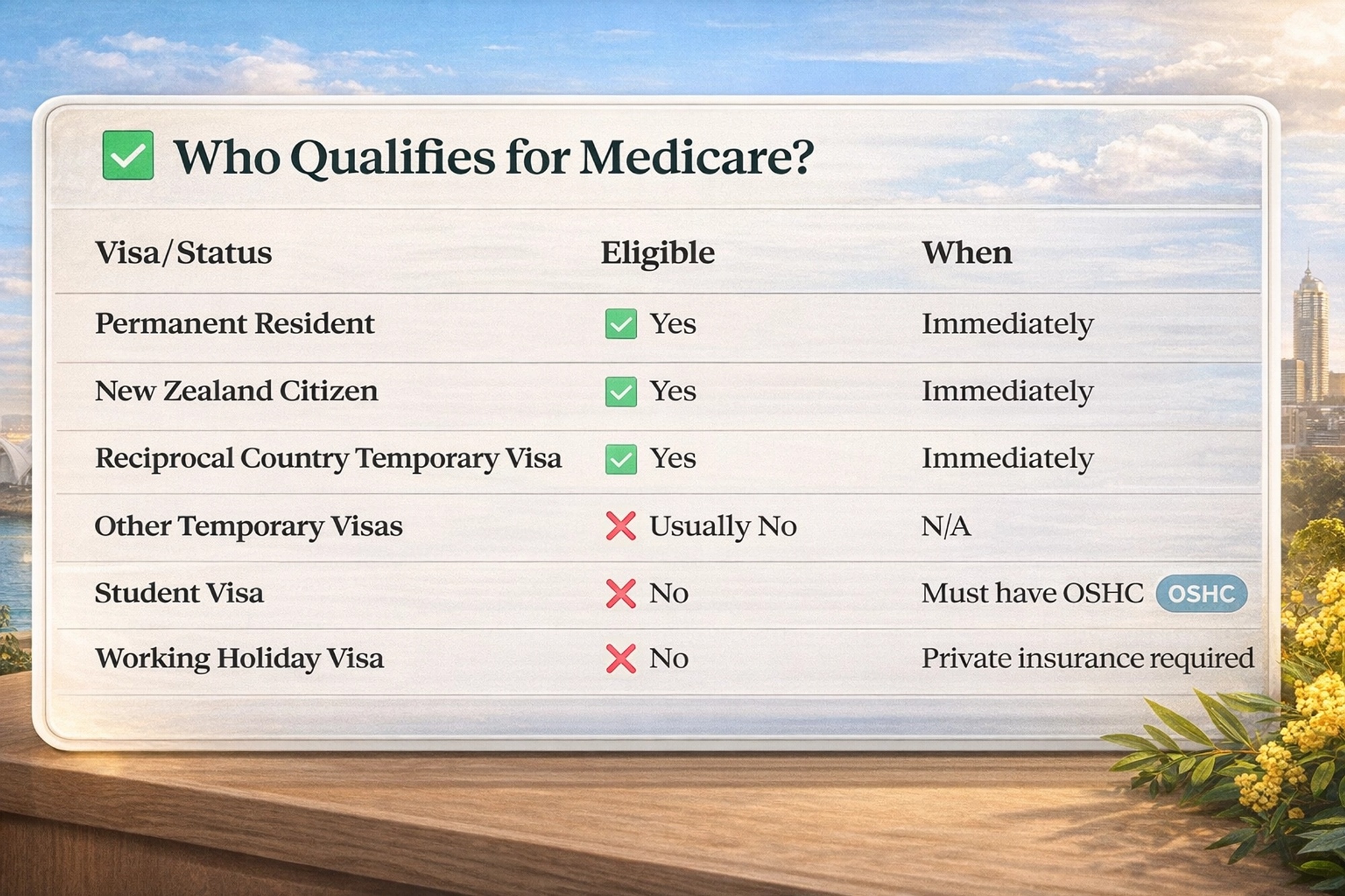
SettleMate Insight:
Eligibility and the extent of coverage vary by visa and country of origin. Some visas require private health insurance.
📝 How to Register
1. Book Services Australia Appointment
- Call: 132 011
- Or visit: servicesaustralia.gov.au to book online
- Bring: Passport, visa grant notice, proof of address
2. Attend Appointment
- Submit documents
- Complete enrollment form
- Register dependents simultaneously
- Receive temporary Medicare number (same day)
3. Receive Medicare Card
- Full card arrives by post in 2-3 weeks
- Can use temporary number immediately for doctor visits
💚 What Medicare Covers
✅ Covered:
- GP (General Practitioner) consultations
- Specialist appointments (with referral)
- Public hospital treatment
- Some medical tests and scans
- Subsidized prescription medications (PBS)
❌ NOT Covered:
- Dental care (except emergencies in public hospitals)
- Optical (glasses, contacts, eye tests)
- Physiotherapy
- Ambulance services (in most states)
- Private hospital accommodation
- Allied health (psychology, chiro, etc.)
SettleMate highlights Medicare eligibility early because healthcare access often impacts employment, compliance, and long-term settlement decisions.
🏥 Private Health Insurance
Do you need it?
YES, if:
- Your visa requires it (most temporary work visas)
- You want dental, optical, physiotherapy coverage
- You want choice of doctor/hospital
- You're earning over $90,000 (avoid Medicare Levy Surcharge)
Recommended Providers:
- Bupa
- Medibank
- HCF
- NIB
Budget: $60-250/month depending on coverage level
📱 Step 9: Download Essential Apps
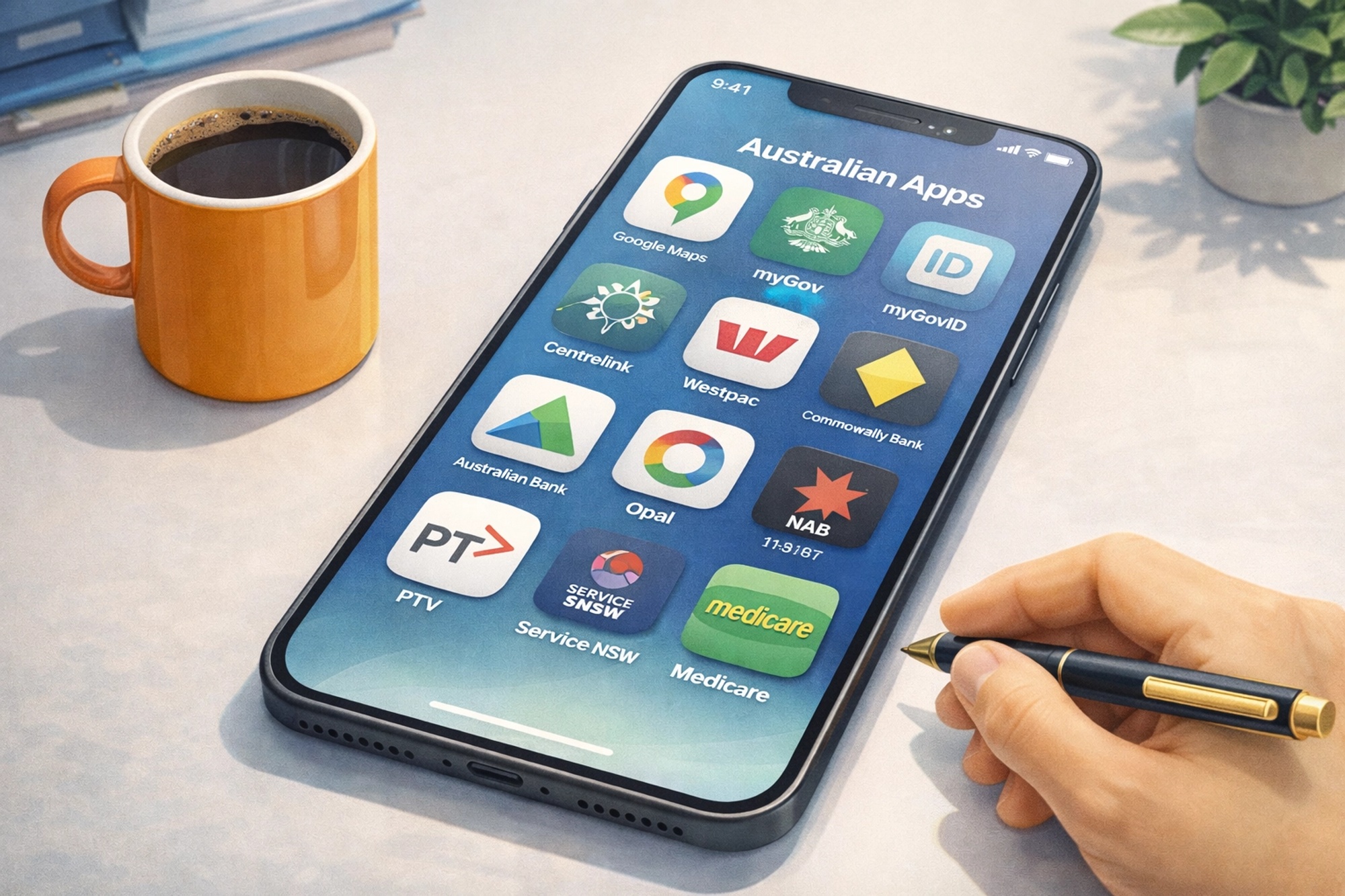
Transform your smartphone into your Australian survival toolkit.
🗺️ Navigation & Transport
Must-Have:
- Google Maps → Navigation, public transport times, walking directions
- Citymapper (Sydney/Melbourne) → Best multi-modal transport planner
City-Specific Transport Apps:
- 🚇 Sydney: Opal Travel
- 🚊 Melbourne: PTV (Public Transport Victoria)
- 🚌 Brisbane: MyTransLink
- 🚆 Perth: Transperth
Ride-Sharing:
- Uber
- DiDi
💰 Financial Management
- 🏦 Your bank's app (CommBank, Westpac, ING, etc.)
- 💸 Wise → International transfers
- 📊 Splitwise → Share expenses with roommates
- 💳 Up or ING → Budgeting tools
🏛️ Government Services
- myGov → Central hub for all government services (Medicare, tax, Centrelink)
- Medicare app → Digital Medicare card, find doctors
- Australia Post → Mail tracking, ID verification services
- ServiceNSW/VIC/QLD → State-specific services
🛒 Shopping & Services
Supermarkets:
- Woolworths
- Coles
- ALDI
Food Delivery:
- Uber Eats
- Menulog
- DoorDash
Secondhand & Classifieds:
- Facebook Marketplace
- Gumtree
- Marketplace by Facebook
Pharmacy:
- Chemist Warehouse
- Priceline Pharmacy
👥 Social & Community
- Meetup → Find interest groups, events, communities
- Bumble BFF → Make platonic friendships
- Facebook Groups → "[Your city] Expats," "[Your nationality] in Australia"
📰 News & Weather
- ABC News → Trusted Australian news
- Bureau of Meteorology (BOM) → Accurate weather, severe weather warnings
- Guardian Australia → News coverage
🏠 Step 10: Begin Accommodation Search

By day 2-3, you should start seriously searching for medium-to-long-term accommodation.
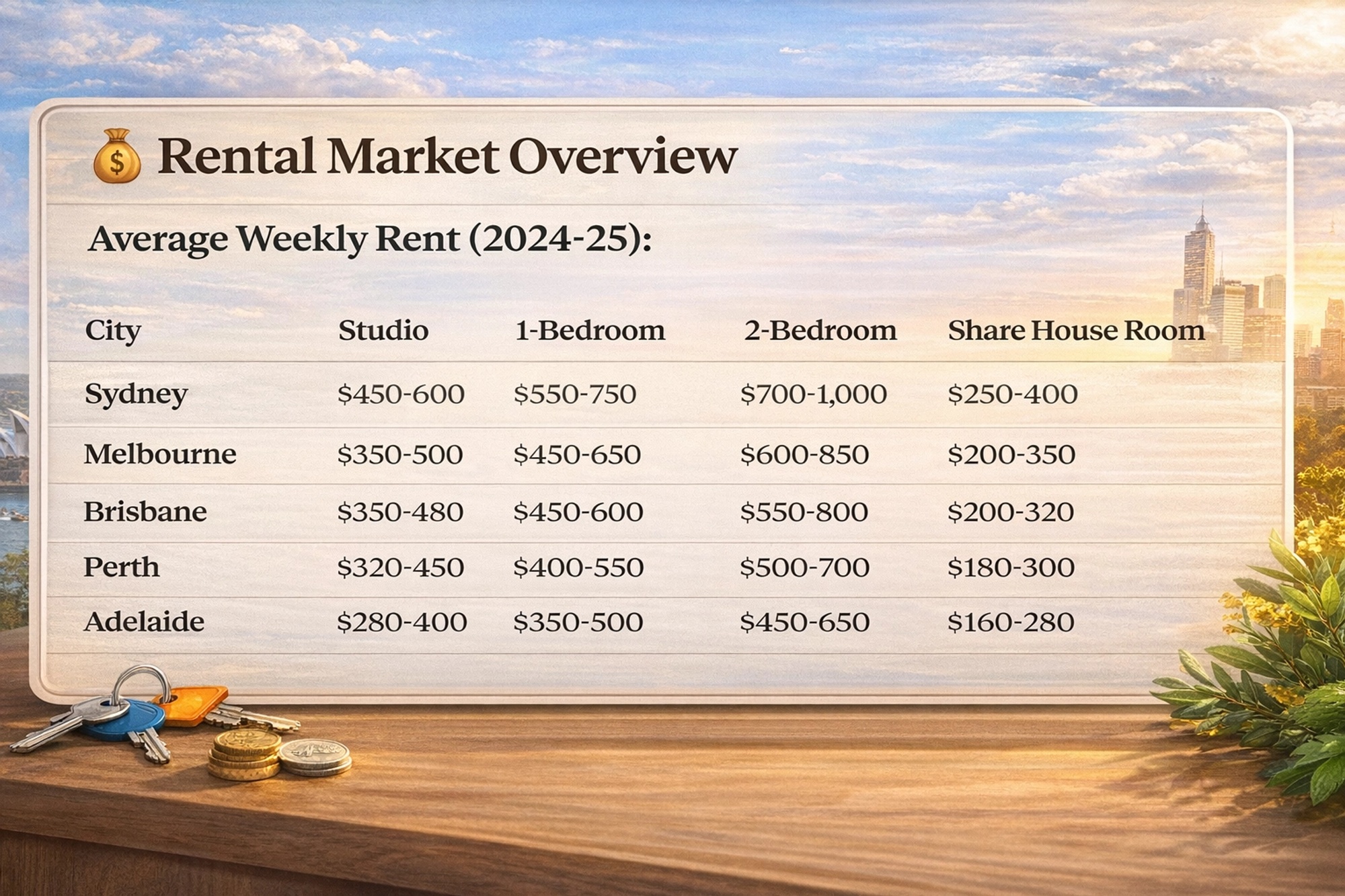
Rental Requirements:
- 💰 Bond: 4 weeks' rent
- 💰 Rent in advance: 2 weeks (sometimes 4 weeks)
- 📄 Lease term: Usually 6-12 months
- 📋 Competition: Major cities = tight markets, act fast
🔍 Where to Search
Top Rental Websites:
realestate.com.au → Most comprehensive, updated daily
Domain.com.au → Second largest, good filters
Flatmates.com.au → Share houses, rooms in existing homes
Gumtree → Flexible options, private landlords (⚠️ watch for scams)
Facebook Marketplace → Local groups, often cheaper
🚨 Red Flags - AVOID IF:
- ❌ Landlord requests payment before inspection
- ❌ Price significantly below market rate (scam warning)
- ❌ No in-person inspection allowed ("just send money")
- ❌ Requests for unusual payment methods (wire transfer, cryptocurrency)
- ❌ Landlord claims to be overseas and can't meet
SettleMate’s housing guidance is designed to help new arrivals avoid rental scams and make informed decisions in Australia’s competitive housing market.
💡 Share House Strategy (Recommended for First few Months)
Why start with a share house:
- ✅ Lower upfront costs (usually 2-4 weeks bond vs. 4-6 weeks for apartment)
- ✅ Furnished usually
- ✅ Built-in social network
- ✅ Learn Australian rental culture
- ✅ Shorter lease terms possible
- ✅ Shared utilities
How to find good housemates:
- Read profile carefully
- Ask about house rules
- Meet in person before committing
- Check cleanliness standards
- Discuss quiet hours, guests, shared expenses
⏰ HOUR 48-72: Building Your Foundation
🚇 Step 11: Master Australian Transportation
🎫 Public Transport by City
SYDNEY 🚆
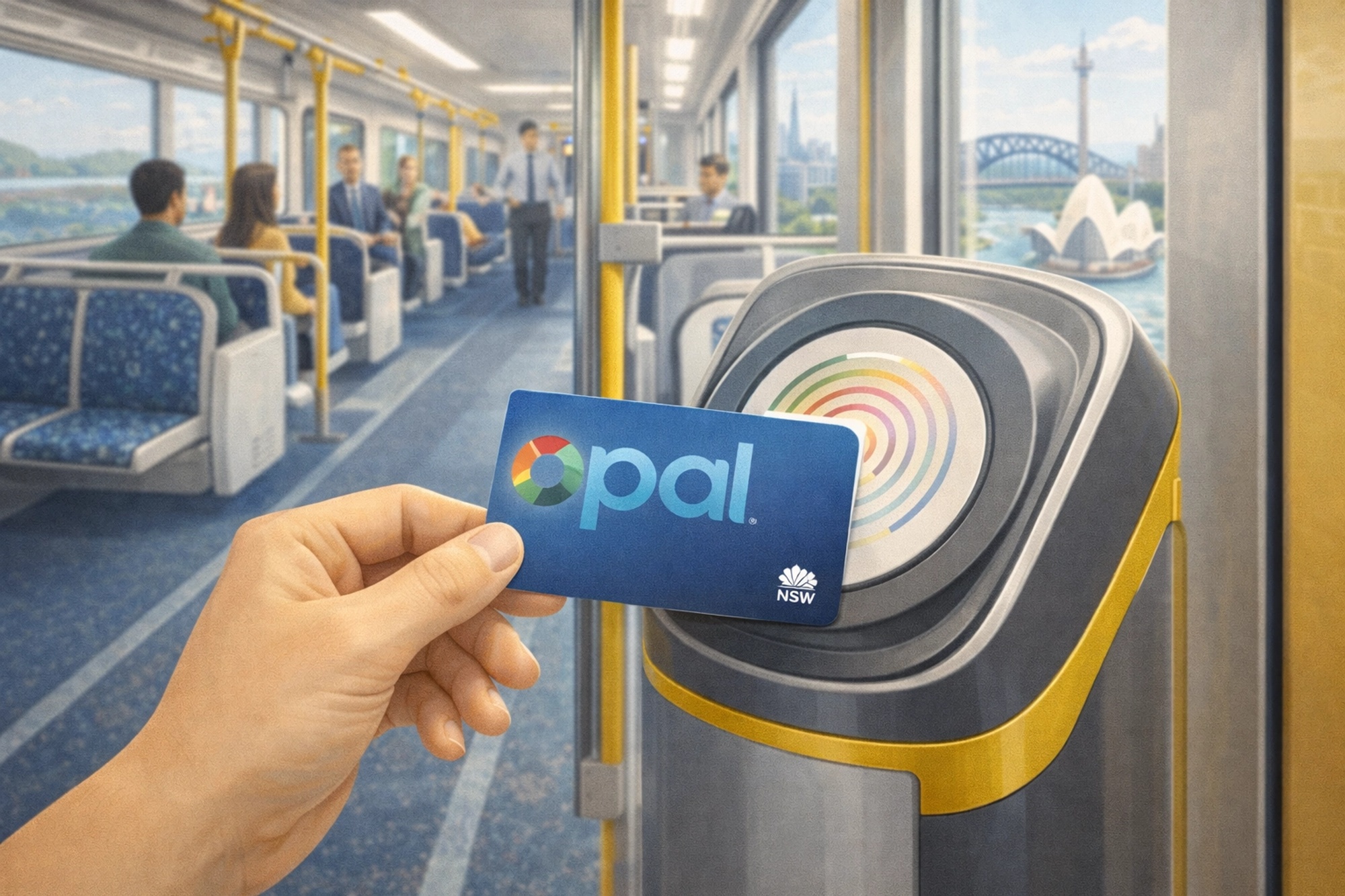
Opal Card (Smart card for all transport)
- Coverage: Trains, buses, ferries, light rail
- Peak Fares: $4.80-8.50 (weekdays before 9:30am)
- Off-Peak: $3.50-6.00
- Daily Cap: $17.00 (after this, travel free)
- Weekly Cap: $50.00
- Sunday: $2.80 all day (anywhere!)
Where to Buy: Newsagents, 7-Eleven, online, Opal retailers
MELBOURNE 🚊
Myki Card
- Coverage: Trams, trains, buses
- 2-Hour Fare: $5.00
- Daily Fare: $10.00 (unlimited travel)
- Weekend Daily: $7.60
- Free Tram Zone: Entire Melbourne CBD
Where to Buy: 7-Eleven, train stations, selected newsagents, online
BRISBANE 🚌
Go Card
- Coverage: Buses, trains, ferries
- Zone System: 1-8 zones
- Typical Fare: $3.38-6.75 (off-peak cheaper)
- Paper Tickets: Cost 50% MORE than Go Card
Where to Buy: Newsagents, train stations, online
PERTH 🚆
SmartRider Card
- Coverage: Trains, buses, ferries
- Zone System: Zone-based pricing
- Free CAT Buses: In CBD (Red, Blue, Yellow routes)
- SmartRider Discount: 25% off cash fares
Where to Buy: Transperth InfoCentres, newsagents, online
🚗 Driving in Australia
⚠️ Critical Differences:
- 🚗 Drive on the LEFT side of the road
- 🔁 Roundabouts: Give way to RIGHT
- 🚦 Hook Turns (Melbourne only): Right turn from left lane
- ⛽ Fuel: Petrol (gas) costs $1.80-2.20/liter
International Driver's License:
- ✅ Valid for up to 3 or 6 months (depending on the state/territory) after arrival
- 📄 Must carry both international permit AND home country license
- 🔄 After 3 or 6 months: Must obtain Australian license
Getting Australian License:
- Requirements vary by state
- Some countries have reciprocal agreements (UK, USA, Canada, most EU)
- May need to take written and/or practical test
- Cost: $50-180 depending on state
Should You Buy a Car?
Consider costs:
- 🚗 Purchase: $5,000-30,000+
- 📋 Registration: $200-900/year (varies by state)
- 🛡️ Insurance: $800-2,000/year
- ⛽ Fuel: $50-150/week
- 🅿 Parking: $20-60/day in city centers
- 🔧 Maintenance: $500-1,500/year
Our Recommendation: Wait 3-6 months before buying a car. Major cities have excellent public transport. Assess your actual needs first.
🚴 Cycling in Australia
Rules:
- 🪖 Helmets are MANDATORY (fines $100-400)
- 🚦 Obey all road rules (same as cars)
- 💡 Lights required at night
Infrastructure:
- Melbourne: Excellent bike paths
- Brisbane: Growing network
- Sydney: Improving, some challenging hills
- Perth: Good coastal routes
Bike Share Services:
- Lime (e-bikes and e-scooters)
- Neuron (e-scooters)
- Costs: $1 unlock + $0.45/min
SettleMate insight:
While the general process is consistent across Australia, specific rules and timelines may differ by state or territory. We recommend checking the relevant official government website for the most up-to-date information.
💡 Money-Saving Tips:
- Shop at ALDI (30% cheaper than Woolworths/Coles)
- Use public transport (avoid taxis/Uber)
- Cook at home (eating out is expensive)
- Buy secondhand furniture (Gumtree, Facebook Marketplace)
- Take advantage of free community events
- Use Ozbargain.com.au for deals and discounts
📌 Official & Trusted Resources
This guide is informed by verified Australian government departments, public health services, financial regulators, and transport authorities. These include the Australian Taxation Office (ATO), Services Australia, Department of Home Affairs, Medicare, ASIC’s Moneysmart, the ACCC, state Residential Tenancies Authorities, and official public transport providers.
Disclaimer
This guide is provided for general informational purposes only. While SettleMate strives to keep all information accurate and up to date, requirements and processes may change and can vary by individual circumstances or state and territory. This content does not constitute legal, tax, migration, or financial advice. Always verify important details through official Australian government sources or qualified professionals.
Sharing & Usage
This guide is original content created by SettleMate. You are welcome to share, link to, or quote this guide for personal, educational, or non-commercial purposes, provided SettleMate is clearly credited as the source and the content is not altered in a misleading way.
© SettleMate. All rights reserved.
🦘 Welcome to Australia
From all of us at SettleMate, welcome to your new home. Australia is a land of incredible opportunities, stunning natural beauty, and genuinely welcoming people. Your adventure is just beginning.
This guide is part of SettleMate’s growing library of settlement resources, created to help new migrants start their Australian journey with clarity, confidence, and peace of mind.
The kangaroos are waiting. The beaches are calling. Your Australian dream starts now.
G'day and good luck, mate!
Can I use my foreign driver's license?
Generally, yes, for your first few months (usually up to 3-6 months, depending on the state) as long as it is current, and either in English or accompanied by an official English translation/International Driving Permit (IDP). Check your state's road authority rules immediately.
How much money should I bring for my first month in Australia?
Budget minimum $4,000-6,000 AUD to cover accommodation bond and rent (typically 6 weeks), groceries ($200-400/week), transport ($50-150/week), phone plan ($30-50), and unexpected expenses. If you have a family or need to purchase furniture, budget $8,000-12,000 for month one.
Can I work immediately after landing in Australia?
Yes, if your visa includes work rights! However, you should apply for your Tax File Number (TFN) on day one. You can legally start work before receiving your TFN—just inform your employer it's pending and provide it within 28 days. Without a TFN, you'll be taxed at 47% (later refunded after submitting TFN). Important: Some professions require Australian registration (teachers, engineers, healthcare workers, tradespeople). Research your specific profession's requirements before arrival.
How long does it take to feel settled in Australia?
Timeline varies, but most migrants report: Weeks 1-4 (Honeymoon Phase): Everything is exciting and new Months 2-3 (Reality Check): Culture shock, homesickness, frustration Months 3-6 (Adjustment): Starting to feel comfortable, routines established Months 6-12 (Adaptation): Feeling more at home, deeper friendships forming 12+ Months (Acceptance): Australia feels like home Be patient with yourself. Feeling overwhelmed, lonely, or frustrated is completely normal.
What's the biggest mistake newcomers make in their first 72 hours?
Top 3 mistakes we see repeatedly: 1. Not applying for TFN immediately Consequence: Delays employment start, taxed at 47% Solution: Apply on day 1 at ato.gov.au 2. Missing the 6-week bank account window Consequence: Need 100 points of ID (much harder to obtain) Solution: Open account in first week with passport only 3. Booking accommodation without inspecting Consequence: Scams, poor conditions, bad locations Solution: Never pay before in-person viewing; use reputable sites
Can I bring my prescription medications to Australia?
Yes, but follow these rules: ✅ Bring in original packaging with prescription label ✅ Carry doctor's letter stating medical necessity ✅ Declare at customs (biosecurity rules apply) ✅ Limit to 3 months' supply for personal use Prohibited/Restricted medications: Some painkillers (codeine, opioids) ADHD medications (requires special permits) Certain sleeping pills
Let's chat like humans, not forms
Answer a few quick questions and we'll route your note to a certified expert, no matter where you are in the world.
SettleMate Response Promise
Every conversation is reviewed by a specialist within 24 hours (often much sooner), and you'll always get a personalised next step.
- Thoughtfully reviewed by a real specialist.
- Personalized replies tailored to your unique situation.
- Actionable next steps, delivered clearly after each consultation.
Need something faster?
Reach us directly
Prefer a quick reply? Use any of the touchpoints below and our concierge team will jump in.